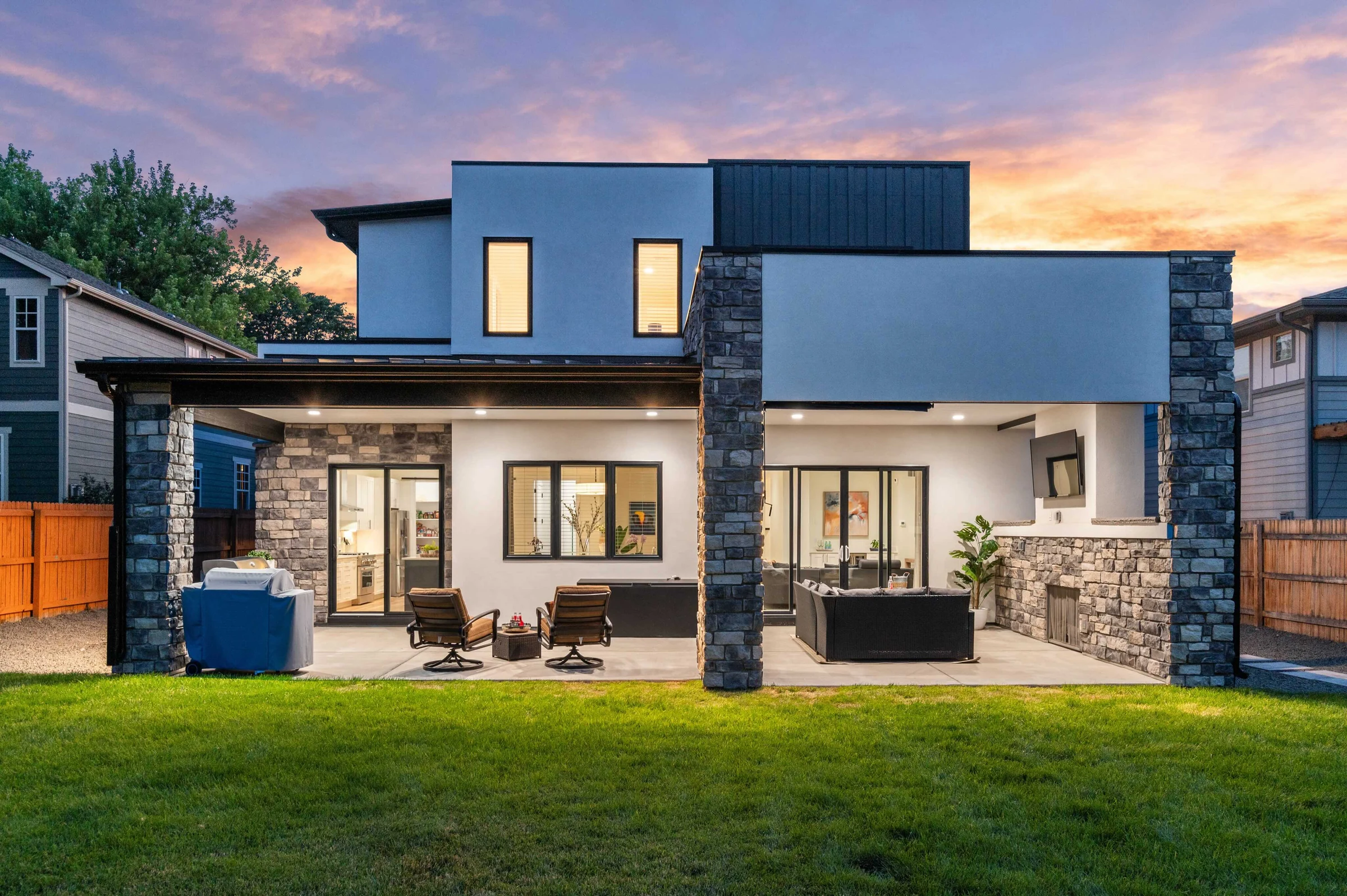
Every home deserves a thoughtful presentation. The difference between a standard listing and a luxury campaign is often the depth of the story and the production needed to tell it. Start with clear photography, then decide where movement, atmosphere, location, and your presence on camera will help buyers understand the property. A higher price point is a reason to plan carefully, not a reason to add services without a purpose.
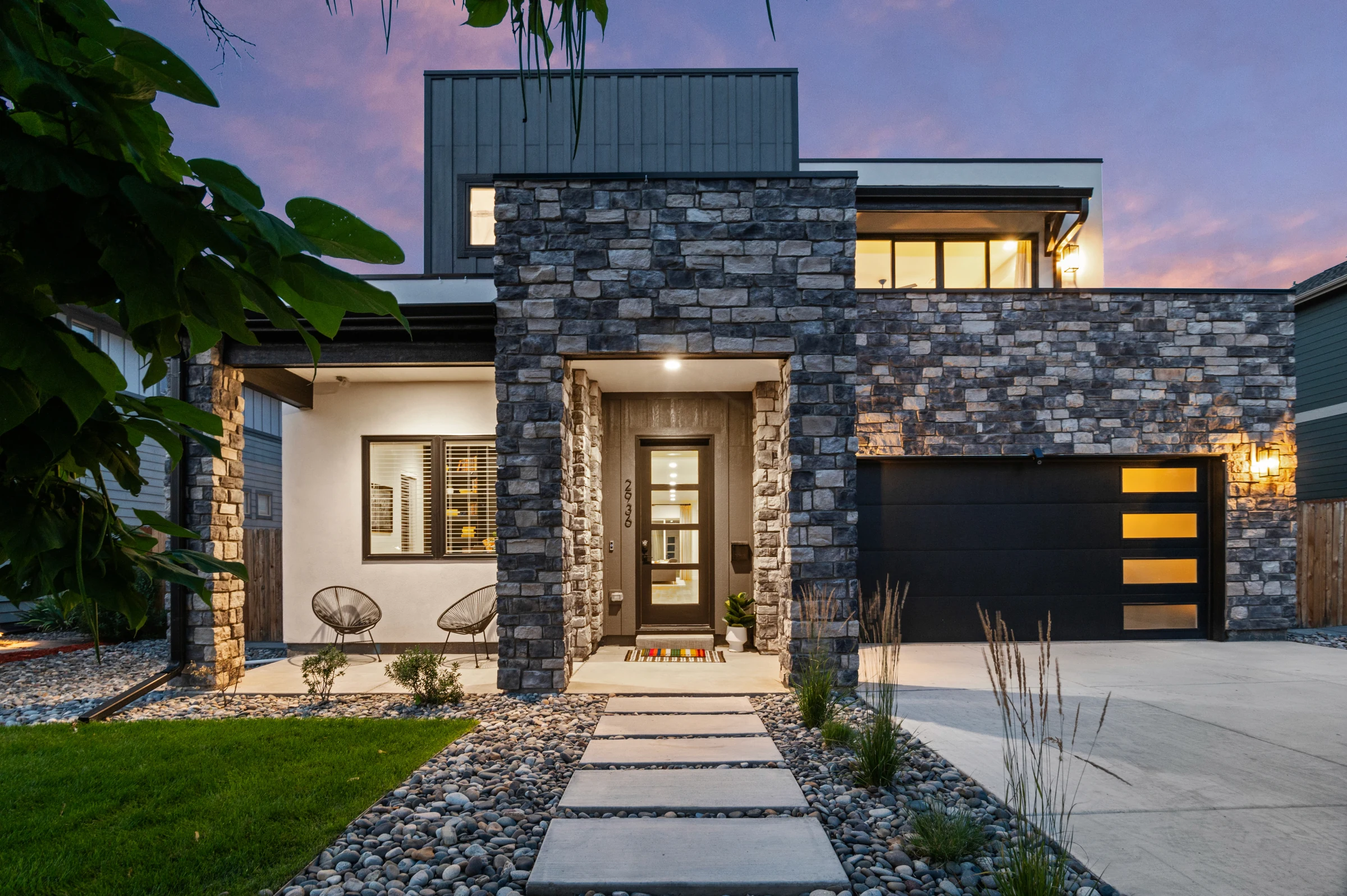
Build a strong foundation for every listing
Make the photography complete. Buyers should be able to understand the important rooms, the exterior, and the features that make the home distinctive. Consistent editing and thoughtful sequencing matter across price points. Select a package for complete coverage, then use different images in the MLS, your property website, email, and social posts.
Know when photography can carry the presentation. A straightforward property with a clear layout and a focused launch plan may be well served by a strong photo gallery. Photography alone can be a sensible starting point when the intended channels primarily use still images. That does not make it the automatic choice for every standard listing.
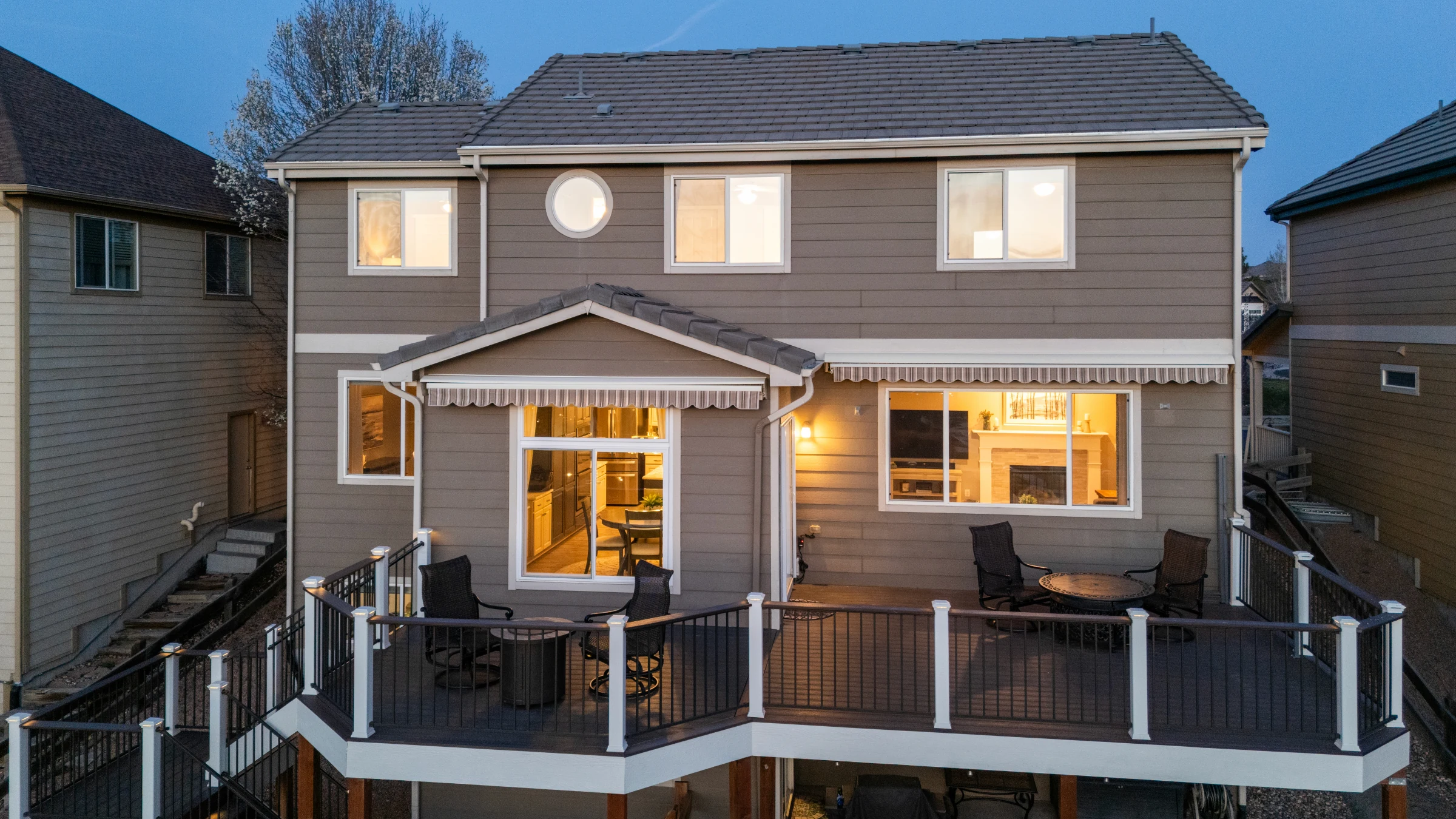
Consider location at any price point. Aerial photography can show a neighborhood setting, outdoor space, proximity to amenities, or the relationship between the home and the street. Its usefulness is not limited to luxury homes or acreage. Discuss the views that matter, subject to airspace and flight conditions.
Answer layout questions. A floor plan helps connect the rooms, and a 3D tour lets someone explore at their own pace. These tools can be useful in a small home with an unusual arrangement just as much as in a larger property. Choose them for the questions they answer.
Add depth where the home calls for it
Cinematic video: use movement and pacing when the way a home feels is important to its story. A transition from a great room to an outdoor living area can communicate something that separate stills do not. Plan the key sequence before the shoot so the film has a point of view.
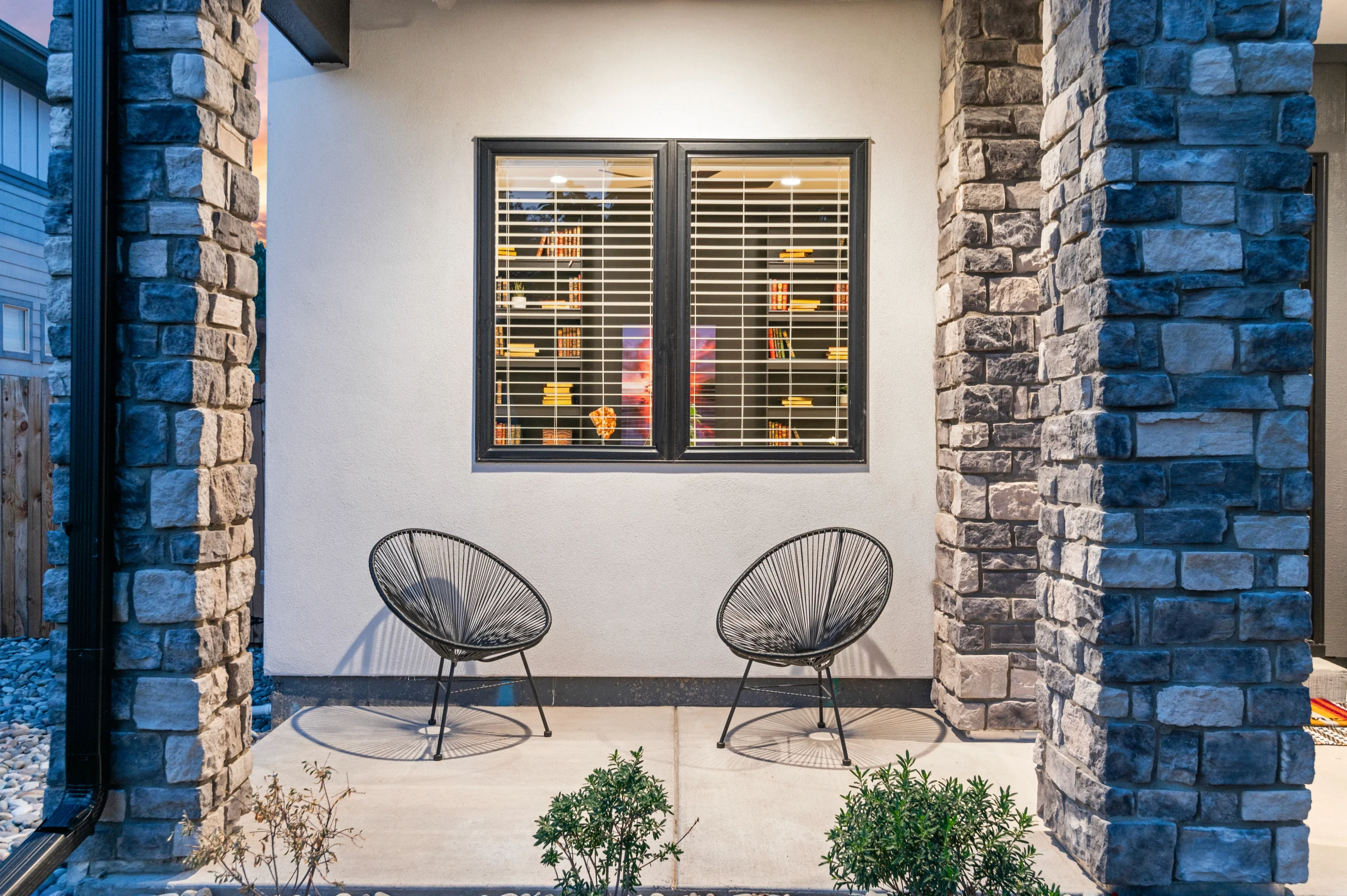
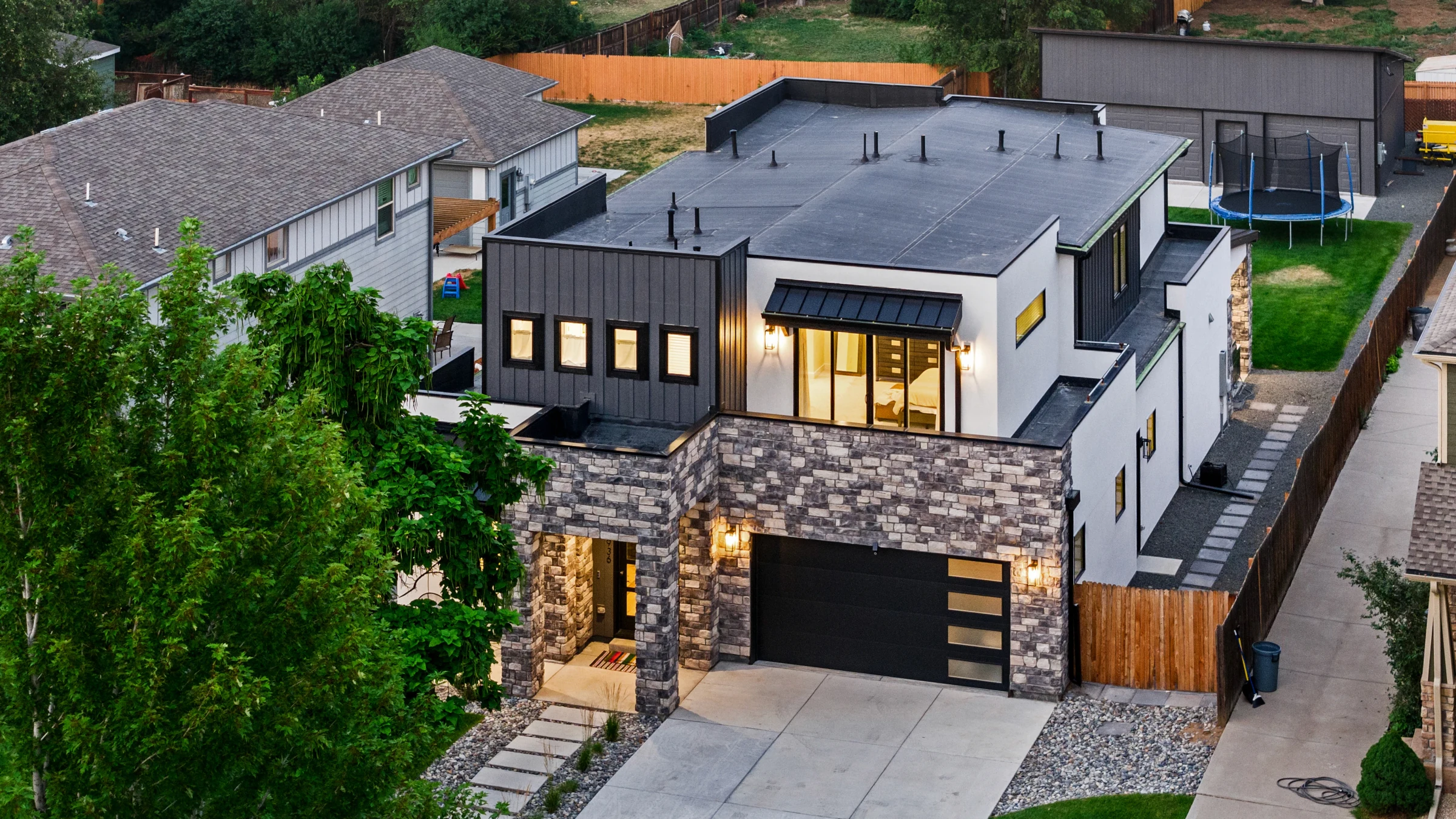
Twilight: consider a dedicated session when the architecture, interior glow, landscape lighting, or evening entertaining spaces deserve attention. Keep daytime coverage for a clear view of the property. The right twilight plan depends on orientation, light, weather, and access, so schedule it with the photographer.
Aerial and neighborhood footage: give the viewer an honest sense of place. A foothills property may benefit from a wider setting; a city home may benefit from nearby streets and amenities. Choose details that support the listing and avoid implying that distant features are part of the property.
An agent appearance: your presence can give the film a human introduction and show how you represent a home. It works best when you have something useful to say: a distinctive design decision, the way a space is used, or why the setting matters. At No Walls, scripting and direction can be planned into agent-led video so you are not inventing the message on the driveway.
A coordinated release: a larger production should produce a useful set of deliverables. Plan the main property film, vertical social edits, photo selections, and supporting materials before capture. Confirm what is included and which versions you will receive. Extra footage does not automatically mean extra finished edits.
A strong luxury campaign feels intentional. So should a standard listing. Start with the property, the buyer questions, and your marketing channels, then build the appropriate scope. Explore the No Walls media options and plan a shoot with us.
More Blog Articles
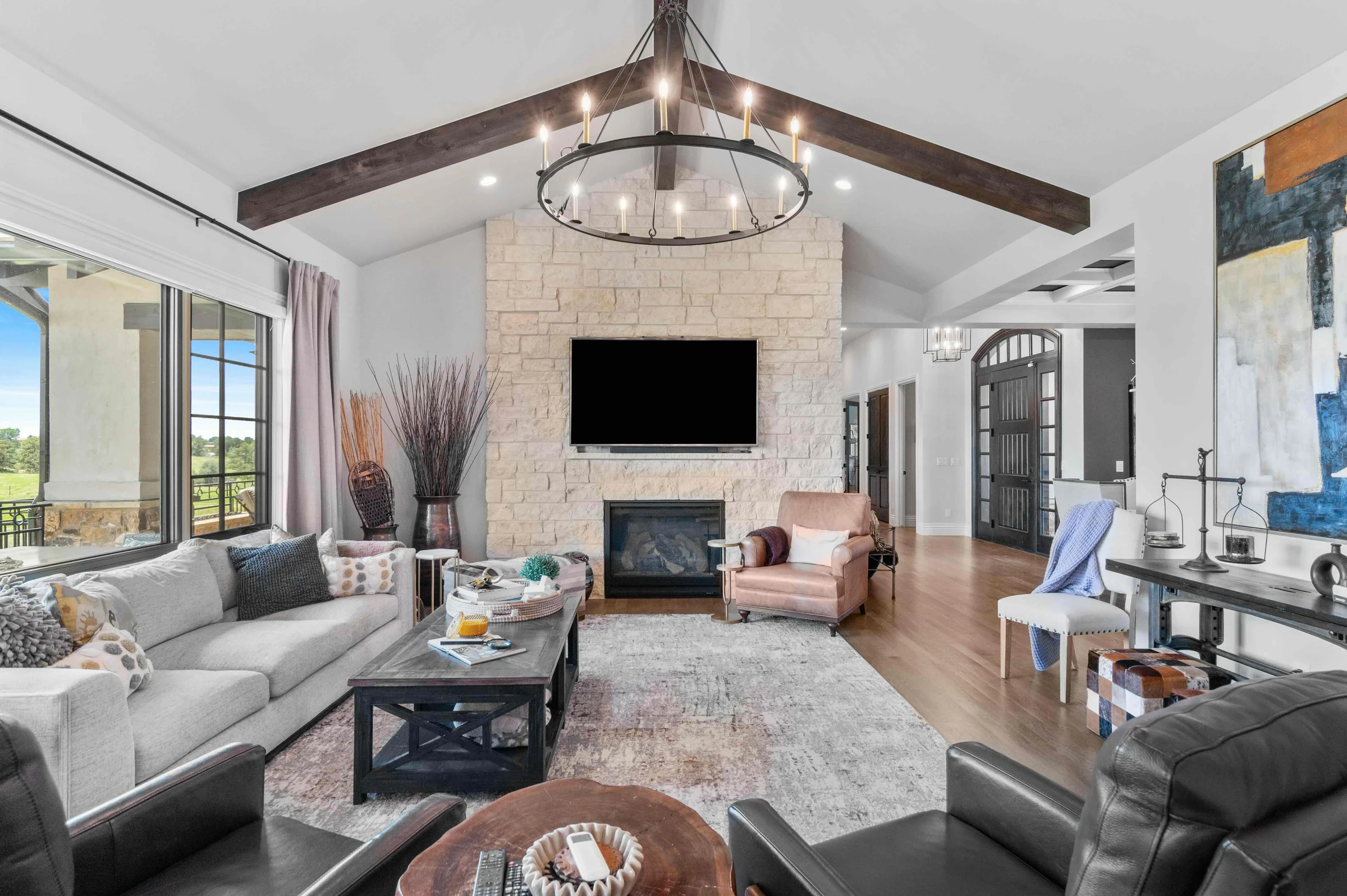
How to Choose a Real Estate Media Partner in Denver
Look beyond the highlight reel. Compare complete galleries, editing, delivery, scheduling, and the team behind your next listing.
Read the post →
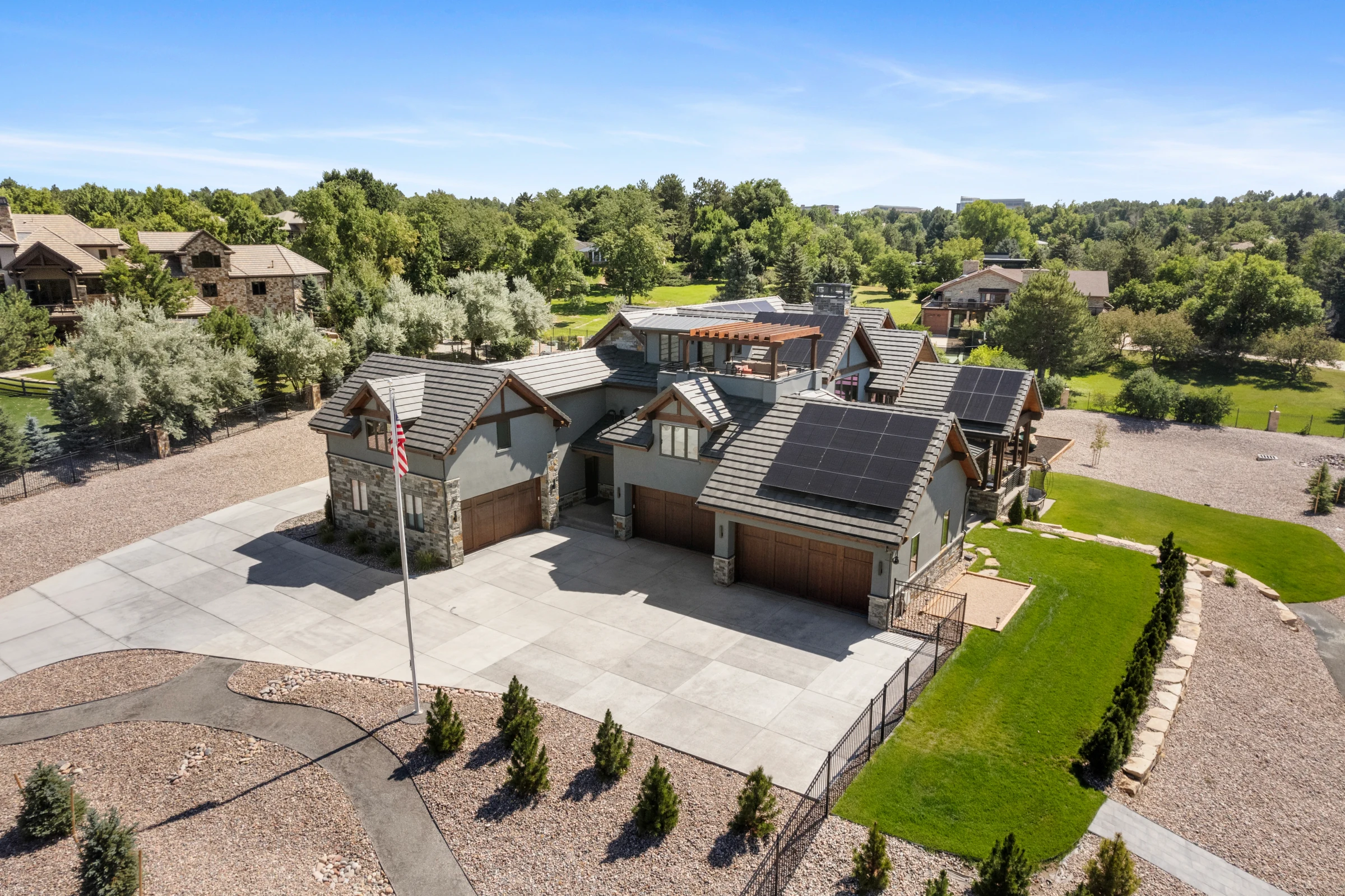
How Much Should an Agent Budget to Market a Listing in Denver?
Build a media budget around the property and the channels you will use, with practical examples from No Walls’ published pricing.
Read the post →